Moving Your Money Shouldn't Cost a Fortune
The average Ethereum fee fell from $53 to about thirty cents, yet moving crypto still feels like homework. Here's why, and how TARA fixes it.
You have $500 of USDT in your wallet. You try to send it. The app says no.
A disclaimer pops up: The network fee is about thirty cents.
You can't pay it, because that network only takes its fee in ETH, and you don't have any.
Five hundred dollars, stopped by thirty cents.
Imagine your bank refusing a transfer until you bought a special stamp. From a different shop. Priced by rush hour.
Crypto normalized this. We don't think it should have.
What gas fees are
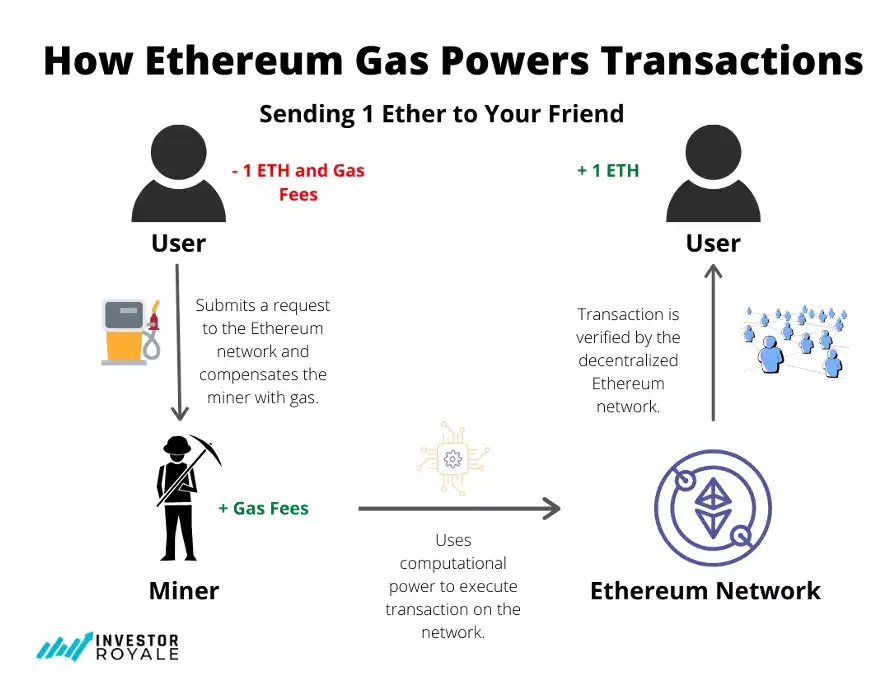
Every blockchain transaction needs a small fee to get processed. Crypto calls it a gas fee, or simply a network fee.
It pays the computers that confirm your transaction and keep the network honest. It doesn't go to your wallet app.
And here's the part most explainers skip: gas is cheaper than it has ever been.
In May 2021, the average Ethereum transaction fee peaked at $53. A simple token swap could run you $86.
Since late 2025, the average sits around thirty cents, and simple transactions often cost pennies.
So the fortune is gone. The friction isn't.
The toll booth has four tricks
It only takes exact change. Most wallets make you pay the fee in each network's own token. ETH on Ethereum. TRX on Tron. SOL on Solana.
Hold a thousand dollars in stablecoins and zero of the local toll token, and your money sits there. Technically yours, practically stuck.
The price moves with traffic. Fees float with congestion, so the transfer that cost pennies on Sunday can cost dollars on Monday.
Even the famously cheap networks have quirks. On Tron, sending USDT still burns a couple of dollars' worth of TRX, and roughly double that if the person you're paying has never held USDT before.
You can pay and still fail. A transaction can fail and charge you anyway. The network processed your attempt, so the network keeps the fee.
And some apps hide their cut where you'll never look. The transfer says free. The exchange rate says otherwise: a spread buried in the price, taking a slice of everything you move.
Add those up and you get the real cost of moving money in crypto. It was never just the thirty cents. It's the homework.
How TARA handles gas
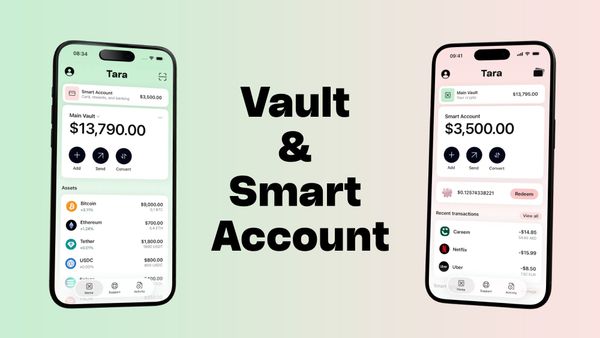
We built the Vault so the toll booth stops being your problem.
You see the fee before you confirm. Every send, convert, or bridge shows its network fee upfront, in the token being used and in plain dollars next to it. Estimates can shift with congestion, and when they might, the app says so on the same screen.
You can pay fees in stablecoins. Sending USDT doesn't require a side quest to buy ETH first.
You choose the speed. Slow, Balanced, or Fast, each with its cost shown before you pick. Rush hour becomes optional.
Bridges live inside the app. Moving assets between networks happens in a few taps, without the copy-paste ritual where one wrong network choice can cost you the whole transfer.
And gas never goes to us. The network fee pays the network. TARA's own fees sit on their own line, visible before you confirm. Nothing buried in the rate.
Money should move like a message
Somewhere along the way, crypto accepted that moving your own money is a skill you practice. Juggling toll tokens. Timing traffic. Praying the transaction lands.
We think sending value should feel like sending a text: you type the amount, you see the cost, you press send.
That's the bar we hold TARA to.
TARA is opening in friends and family mode, with public access to follow. If you want your money to move without the homework, join the waitlist at tara.com.
Hold what you own. Spend what you need. Decide where everything lives.
Money on your side.